
Home Workouts — Educational Bodyweight Routines
Free general information about 5–10 minute equipment-free complexes. We describe exercises and common form cues — not personalized training plans or guaranteed outcomes.
Build a Workout Plan
General fitness information only. Exercise descriptions on this page are for educational purposes. They are not a substitute for professional instruction or medical clearance. Stop any movement that causes pain. Business transparency · Contact
How Our Complexes Are Structured
Every home workout on Recoverexpel.ddd follows a three-part arc: warm-up, main block, and cool-down. The warm-up uses low-intensity moves like marching, arm circles, and hip openers to increase blood flow without jumping straight into effort. The main block stacks compound exercises — moves that use more than one joint at a time — so you get more value from limited minutes.
Cool-down stretches target muscles you just worked. After squats, a gentle quad stretch and hip flexor opener help your body transition back to rest. We suggest holding static stretches for twenty to thirty seconds rather than bouncing, which is easier on tissues and gives you time to breathe deeply.
- Warm-up (1–2 min) — Marching, arm swings, gentle torso twists to prepare joints.
- Main block (4–6 min) — Squats, lunges, push-ups, planks in timed or rep-based sets.
- Cool-down (1–2 min) — Static stretches for legs, chest, and back.
Key Exercises and What They Do for Your Body
Bodyweight Squats
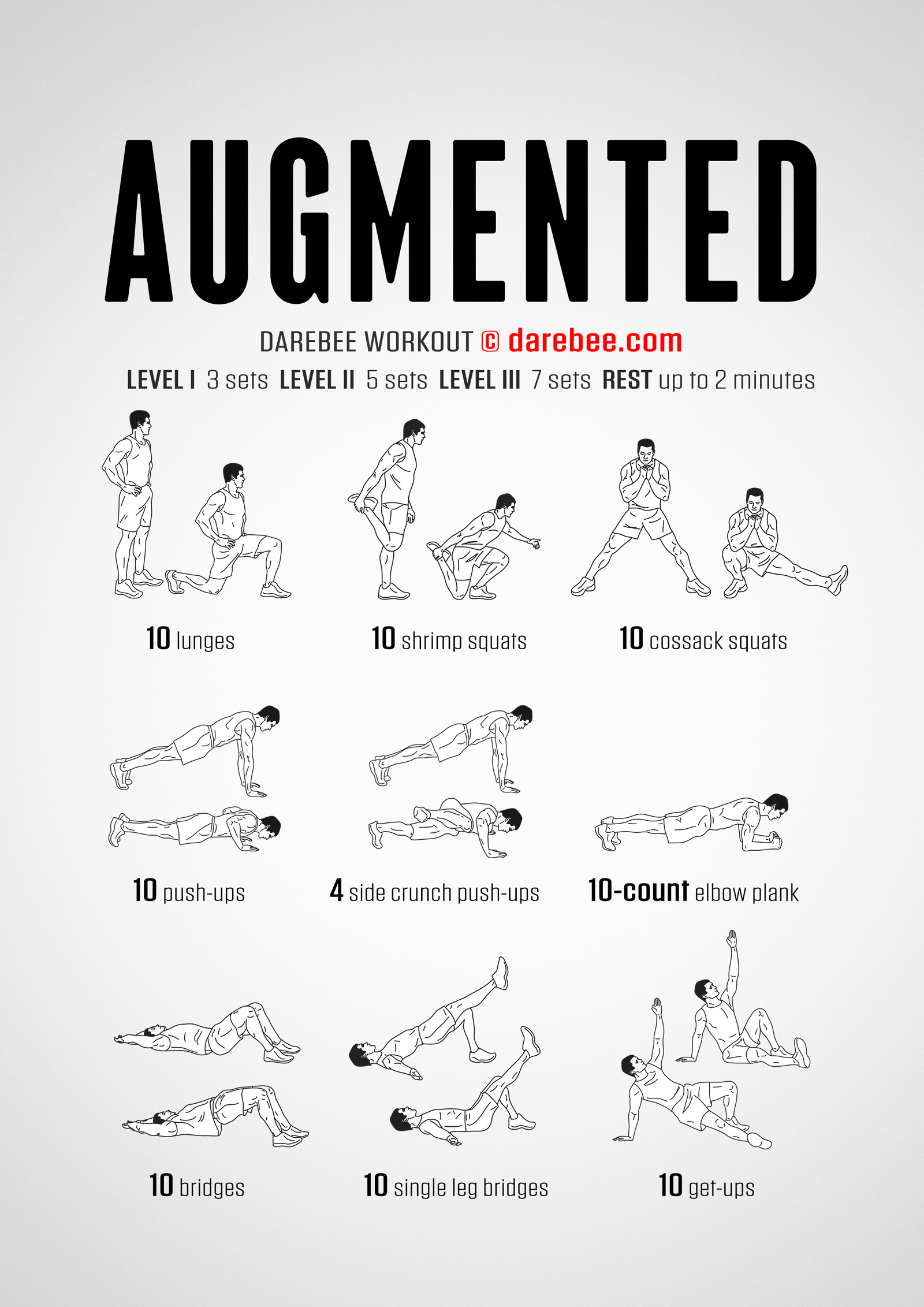
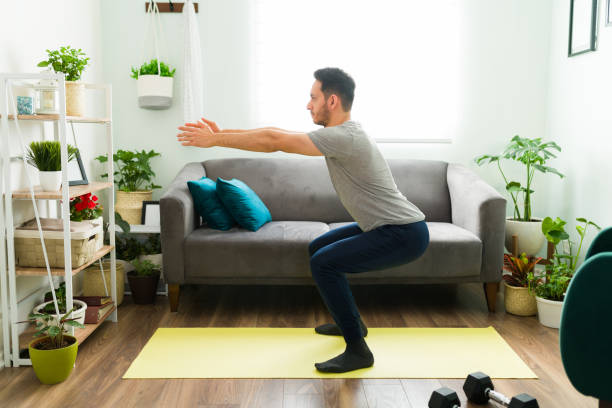
Stand with feet shoulder-width apart, toes slightly out. Send hips back as if sitting into a chair, keeping chest up and knees tracking over toes. Squats primarily work quadriceps, glutes, and core stabilizers. They support everyday actions like standing from a chair and climbing stairs. Start with eight to twelve reps and focus on depth you can control.
Wall Push-Ups
Place hands on a wall at shoulder height, walk feet back until your body forms a slight angle. Lower chest toward the wall, then press away. This variation loads chest, shoulders, and triceps with less wrist pressure than floor push-ups. Move feet farther from the wall to increase difficulty gradually.
Forearm Plank
Elbows under shoulders, body in one line from head to heels. Engage abs without holding your breath. Planks train deep core muscles that support spine alignment during sitting and standing. Hold fifteen to thirty seconds, rest, and repeat two or three times rather than collapsing form for longer holds.
Reverse Lunges
Step one foot back, lower until both knees bend near ninety degrees, front knee over ankle. Push through front heel to return. Lunges challenge balance while working quads, hamstrings, and glutes unilaterally — meaning each leg works independently, which can reveal strength differences between sides.
Glute Bridges
Lie on your back, knees bent, feet flat. Lift hips until shoulders, hips, and knees form a line. Squeeze glutes at the top without arching lower back excessively. Bridges activate hip extensors and can counteract hours of sitting by opening the front of the hips.
Standing Arm Circles
Extend arms to the sides and draw small then larger circles forward and backward. This simple move increases shoulder mobility and blood flow to the upper body — useful before push-ups or after desk work. Keep movements controlled; speed is not the goal.
Form Cues That Actually Matter
Good form is not about looking perfect on camera. It is about moving in a way that loads muscles instead of stressing joints. For squats and lunges, think "knees follow toes" — if knees collapse inward, reduce depth until you can keep them aligned. For planks, if hips sag, drop to knees or shorten hold time. Quality beats quantity every time.
Breathe steadily: exhale on the effort phase (standing up from a squat, pushing away from the wall) and inhale on the return. Holding your breath raises blood pressure unnecessarily and makes it harder to notice when you are straining too hard. Rest thirty to sixty seconds between sets if you are doing multiple rounds.
Low-energy day? Cut reps in half, skip the second round, or swap high knees for marching. Showing up for five minutes still counts. Consistency over weeks matters more than one heroic session.
Health & Safety Guidelines
When to Pause
Stop if you feel sharp pain, numbness, or dizziness. General muscle burn is normal during effort; joint pain or pinching is a sign to modify or skip the move. Pregnant individuals, people recovering from surgery, or anyone with ongoing health conditions should get clearance from a qualified provider before new routines.
Space & Surface
Clear furniture edges, secure rugs that slide, and choose a floor with grip — carpet, yoga mat, or bare floor with stable footing. Avoid wet or uneven surfaces. If you use a chair for balance during lunges, pick one that does not roll.