
Relaxation Movement — Breathe, Stretch, Pause
General information about gentle breathing patterns and slow stretches you can try at home. Not mental health treatment, clinical stress therapy, or medical advice.
Get a Relax Plan
Relaxation content only — not therapy. Breathing and stretching ideas on this page are general wellness information. They do not treat, cure, or prevent any condition and are not a substitute for licensed mental health or medical care. Business transparency · Contact
Why Movement and Breath Work Together
Physical tension from daily routines — tight shoulders, shallow breathing, a clenched jaw — is common. Relaxation movement pairs simple breath patterns with gentle stretches. This is not mental health care or medical treatment; many people use short breaks between tasks to move and breathe at their own pace.
We describe techniques in plain language so you can try them safely at home. Individual responses differ. Move slowly, stay within a comfortable range, and stop if anything feels wrong. The goal is a brief pause, not a performance or promised outcome.
Breathing Practices We Teach
Box Breathing (4-4-4-4)
Sit or stand comfortably. Inhale through the nose for four counts, hold four, exhale four, hold four. Repeat four to six cycles. This pattern gives your mind a simple rhythm to follow, which can reduce scattered thinking during busy afternoons. If four counts feels long, start with three. Never force breath to the point of lightheadedness.
Extended Exhale Breathing
Inhale for four counts, exhale for six to eight counts. Some people use a longer exhale as part of a paced breathing routine they find calming. Use this before bed or after busy periods if it feels comfortable. Place one hand on your belly to feel it rise and fall.
Diaphragmatic Breathing
Lie on your back or sit tall. Breathe so your belly expands on inhale and softens on exhale, rather than lifting shoulders. Shallow chest breathing is common during stress; retraining toward belly breath can feel awkward at first but becomes natural with practice.
Interactive Box Breathing Coach
Box breathing is one of the simplest patterns to follow when your mind feels scattered: equal counts for inhale, hold, exhale, and hold again. Many people use it between meetings, before presentations, or at the end of a workday when the body still feels wired but the to-do list is finally done. The rhythm gives your attention a single job — count and breathe — which can create a brief pause from looping thoughts.
This coach walks you through the four phases visually. The circle expands as you inhale, stays open during the hold, contracts on the exhale, and rests small before the next cycle. You do not need to match it perfectly; stay close enough that the pace feels calm, not strained. If holding breath feels uncomfortable, switch to a three-count pace or skip the hold phases and breathe in a steady in-out pattern instead. Stop immediately if you feel dizzy or short of breath beyond normal calm breathing.
Start with two or three complete cycles and notice whether your shoulders drop or your jaw unclenches. That feedback matters more than hitting an exact number. Over time you may extend to four or six cycles. This tool is general wellness information — a practice to experiment with, not a clinical treatment for stress or anxiety. Pair it with gentle neck rolls or a short walk if you want a fuller reset after the breathing sequence ends.
Relaxing Movements and How to Do Them Right
- Neck rolls: Drop chin toward chest, slowly roll ear toward shoulder on each side. Avoid full backward circles — they can compress cervical vertebrae. Move through half circles only, pausing where tension appears.
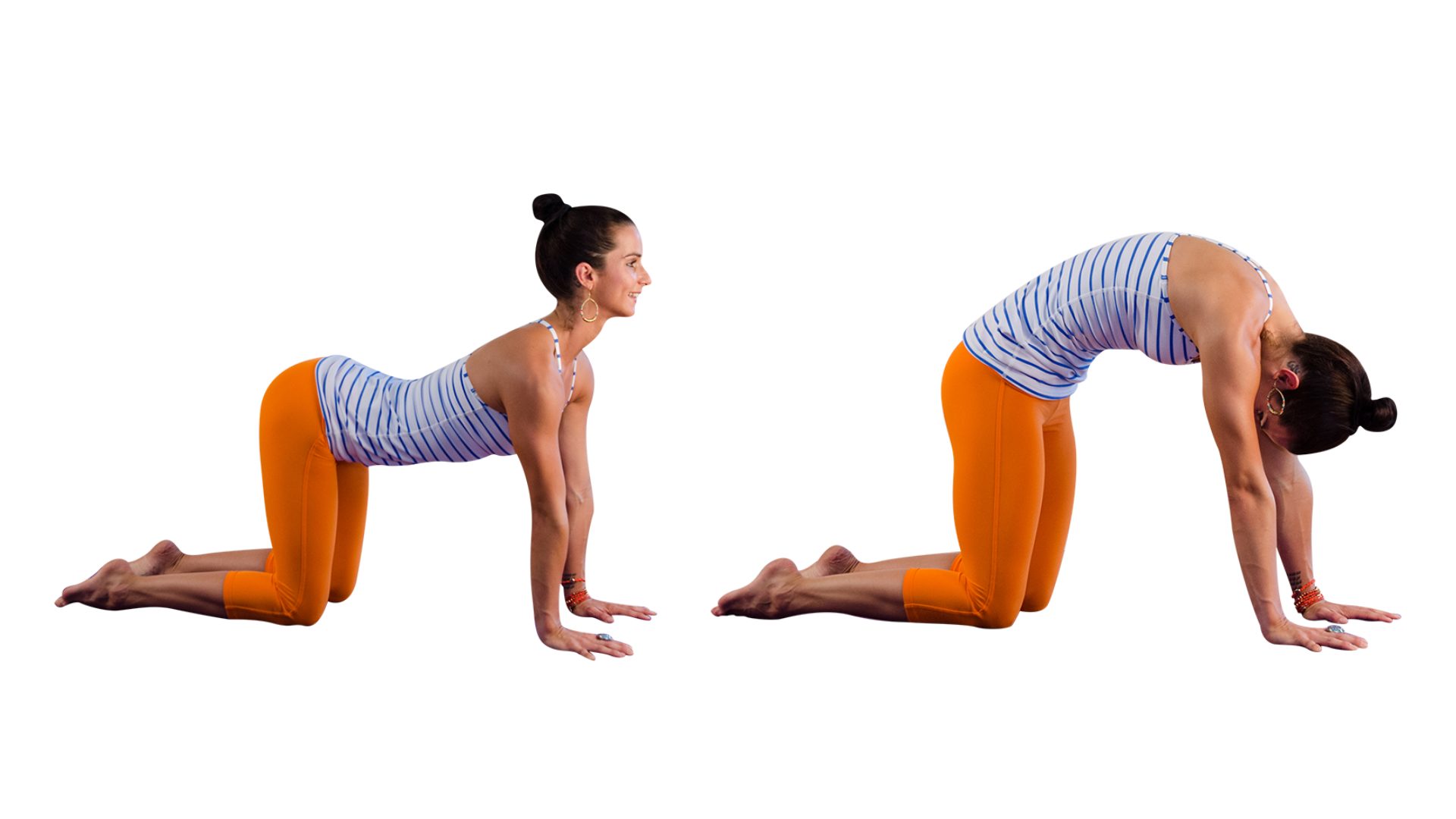
- Cat-cow stretch: On hands and knees, alternate arching back (cow) and rounding spine (cat) with breath. Inhale into cow, exhale into cat. Mobilizes the entire spine and connects movement with breathing rhythm.
- Standing side bend: Reach one arm overhead and lean gently to the opposite side. Stretches lateral core and intercostal muscles between ribs. Keep both feet grounded and avoid collapsing forward.
- Legs-up-the-wall: Lie on your back with legs resting vertically against a wall. Hold one to three minutes. A restorative pose many people use to feel grounded — elevate hips slightly on a folded towel if lower back feels strained.
Upcoming Relaxation Events
| Date | Session | Location |
|---|---|---|
| Jun 29, 2026 | Breathing & Release Workshop | Virtual |
| Jul 11, 2026 | Evening Wind-Down Flow | Rochester Studio |
| Jul 25, 2026 | Desk Break Movement Lab | Virtual |
Health & Safety Guidelines
Relaxation practices are gentle by design, but they are still movement. Avoid forcing stretches to extreme range. If you have vertigo, be cautious with head movements and legs-up-the-wall. People with respiratory conditions should consult a qualified provider about breath-holding techniques. These sessions are general wellness information — not clinical care or mental health therapy.
Important: If you are experiencing persistent anxiety, depression, or overwhelming stress, reach out to a licensed mental health professional or crisis resource. Movement can support well-being but does not replace appropriate care.